
Modern organizations face increasing complexity in product development, manufacturing, systems engineering, and software delivery. Projects often span multiple functions, geographies, and technologies, demanding disciplined coordination and adaptability. Project Management as a Service (PMaaS) addresses these challenges by embedding structured project management capabilities directly into operations, providing scalable expertise where and when it is needed most.
PMaaS supports large, complex initiatives such as new product development, business and manufacturing system implementations, production launches, and operational improvement efforts. By integrating proven tools, methodologies, and subject-matter expertise, PMaaS enables organizations to manage risk, maintain alignment, and deliver outcomes predictably.
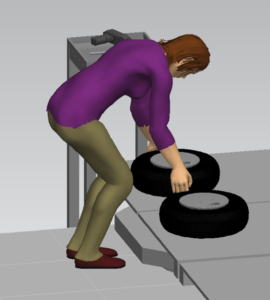
Many of these challenges sit at the intersection of technical design and human experience. By applying principles of engineering, Sandalwood helps translate these complex requirements into usable, efficient outcomes. The following topics reflect common areas where this perspective is applied:

1. Schedule Development and Integration
At the core of effective project delivery is a well-structured plan. Rather than building project plans from scratch, successful planning begins with leveraging proven development frameworks and lessons learned from prior programs. Established product development processes provide a shared language and a consistent structure across organizations, reducing ambiguity and accelerating alignment.
Within the plan, schedules are typically built from the top down, starting with a high-level cross-functional roadmap that outlines major phases such as design, procurement, build, testing, and launch. These high-level schedules are then decomposed into detailed views by functional area, product breakdown structure, or tooling scope. This iterative approach ensures that requirements flow downward while feedback and status flow upward, creating a dynamic but controlled planning process.
Managing handoffs between functional groups must be critical focus of schedule integration. Program and project delays often occur at these transition points, where timing expectations are unclear or misaligned. Well-designed schedules make these interfaces explicit, clearly defining when inputs are required and when outputs are expected, allowing teams to prepare in advance and maintain momentum.
Project Management with Sandalwood includes expertise with various project management programs, allowing for streamlined communication, escalation, and a landing point for tracking project progress.

2. Risk Management
Risk is inherent in every project, and proactive risk management is essential to maintaining control. PMaaS incorporates structured risk identification, evaluation, and mitigation processes to ensure that uncertainties are visible and addressed early.
Risks are commonly assessed using a risk map, which evaluates each risk based on its likelihood of occurring and its potential severity if realized. This visualization allows teams to prioritize attention on the risks that pose the greatest threat to schedule, cost, or quality.
Each identified risk is documented with a clear description, potential impact, and defined countermeasures. Countermeasures are actions designed to reduce either the probability or the severity of a risk and are tracked throughout the project’s lifecycle. Regular reviews ensure that risks evolve alongside the project, and that mitigation plans remain effective.

3. Test Planning
In engineering and manufacturing programs, test planning is a critical component of project realization. A comprehensive test strategy ensures that designs meet performance, quality, and regulatory requirements before production.
Test plans are typically developed in alignment with other teams, which defines the required tests, validation criteria, and sign-off responsibilities across functional areas. These plans must balance technical rigor with practical constraints such as budget, testing capacity, and overall project timing.
As projects progress, test plans are continuously refined to reflect test results, delays, resource constraints, or changes in scope. Despite these adjustments, test activities must remain integrated within the overall project schedule, ensuring that verification milestones support downstream decisions and launch readiness.

4. Performance Management
Tracking performance against program targets is essential for maintaining transparency and accountability. PMaaS applies performance management techniques that translate technical objectives into measurable milestones and metrics.
Key performance indicators are defined with clear targets and timelines, allowing teams to monitor progress objectively. Status is often communicated using visual indicators such as green, yellow, and red signals. Green indicates performance is on track, yellow highlights emerging concerns that are expected to be resolved, and red signals significant issues that threaten project success.
This structured approach provides leaders with an immediate understanding of project health and enables early intervention when performance deviates from plan.

5. Status Assessment and Reporting
Consistent and transparent status reporting is fundamental to effective project governance. PMaaS aligns reporting structures with both client organizational needs and the traditional project management triangle of scope, schedule, and budget.
Traffic-light status reporting provides a clear, concise summary of project health while supporting deeper analysis within each category. Yellow statuses indicate recovery plans are in place, while red statuses highlight areas requiring immediate attention and decision-making.
As PMaaS matures within client organizations, project teams increasingly take ownership of broader program coordination, aligning their activities to enterprise-level development timelines and leading structured review events. This approach supports a more holistic and proactive management model across portfolios of related projects.

6. Agile Methods to Support Operations
While traditional project structures are effective for long-term development cycles, operational environments often require greater flexibility. Agile methods provide the adaptability needed to manage rapidly changing priorities, especially in prototype builds and production support.
By focusing on short planning windows, teams can adjust quickly to issues such as part availability, allowing planners to shift priorities and manage resource constraints. Visual tools such as rolling build forecasts and Kanban boards make work status transparent, showing what is ready, in progress, and blocked.
Daily stand-up meetings bring together cross-functional stakeholders to surface issues early and reallocate work dynamically. This ensures that available manpower is used effectively and that progress continues even when plans change.

7. Agile Software Development
Software development projects often involve high uncertainty in scope, integration complexity, and technical challenges. Agile frameworks are particularly effective in these environments, enabling teams to learn iteratively and adapt as solutions to take shape.
Agile software projects begin with a shared product vision and are supported by structured artifacts such as work breakdown structures, role definitions, and issue tracking. Work is organized into sprints, with frequent reviews to assess progress, identify obstacles, and reprioritize tasks. Even when projects encounter dead ends, scope changes, or unexpected technical hurdles, agile practices provide the flexibility needed to converge on a working solution that meets customer requirements.
Project Management as a Service offers organizations more than administrative support—it delivers structured leadership, proven processes, and adaptable methods tailored to complex engineering and operational environments. By combining disciplined planning with agile execution, PMaaS enables teams to manage uncertainty, improve collaboration, and deliver results with greater confidence and consistency.
Project success is no longer defined solely by meeting milestones—it is measured by an organization’s ability to adapt, collaborate, and execute reliably in the face of uncertainty. Project Management as a Service from Sandalwood is designed to make that possible.
We bring more than project managers; we bring repeatable delivery frameworks, cross-functional integration experience, and industry-tested best practices that allow clients to focus on solving problems while we manage structure, communication, and execution. Whether supporting a single critical initiative or an entire portfolio of programs, our PMaaS model scales to meet the needs of each client.
The result of this partnership is greater predictability, reduced risk, and stronger outcomes—delivered through a collaborative framework built on trust and execution excellence. Sandalwood stands ready to partner with organizations ready to turn complexity into clarity and projects into lasting success.
Discover how we can help:
Contact info – Mike Vitek, Director of Systems Engineering Services at Sandalwood | mike.vitek@sandalwood.com




 Why Sandalwood?


 We are a one-stop-shop for launching job rotation for any employer from conception to implementation. Our experts tailor our services to meet the needs of our customers by collaborating with them throughout the entire process. We do not offer cookie cutter solutions for job rotation because the needs of employers vary significantly.
 Why Sandalwood?



 Sandalwood is pleased to offer solutions above and beyond the traditional ergonomic assessments. With an in-depth knowledge of various digital human modelling software suites, integration and adoption to your health and safety programs has never been easier. Sandalwood is experienced in ergonomic program design as well as industry leaders in digital human modelling services. We have a diverse team that is able the leverage the results from the digital human model to provide in depth risk assessments of future designs and current state. Sandalwood is also able to pair these assessments with expertise and provide guidance on the best solution for you. Sandalwood is also on the forefront of emerging technologies and able to integrate Motion capture, Wearables, and extended or virtual reality into your ergonomic program.